Trekking and hiking poles
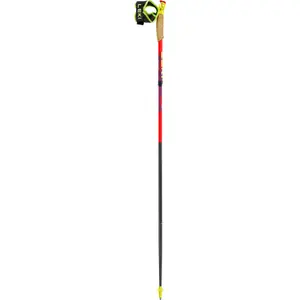
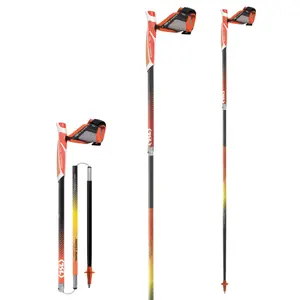
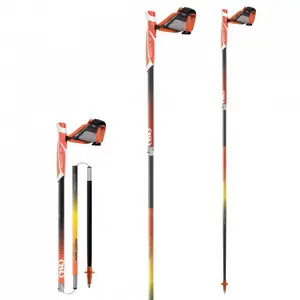
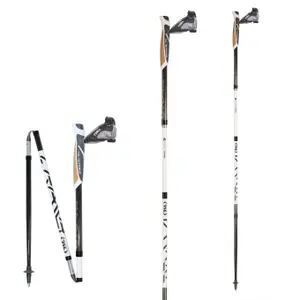
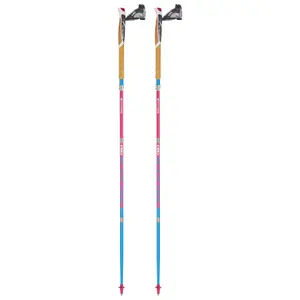
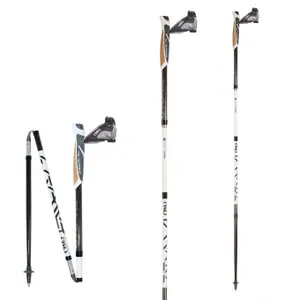
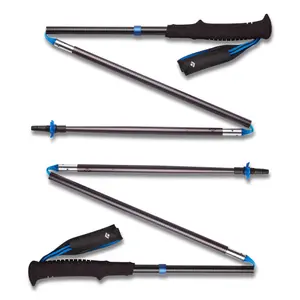
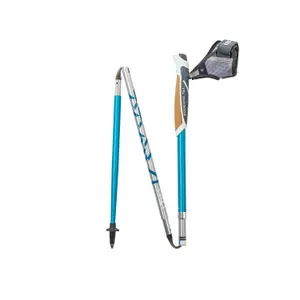
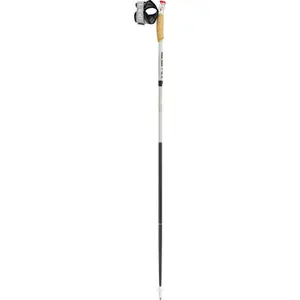
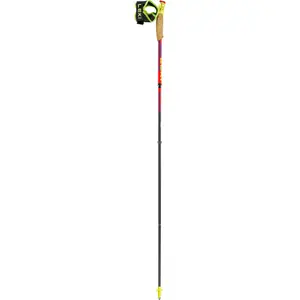
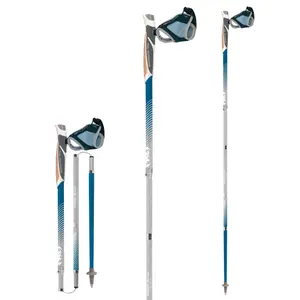
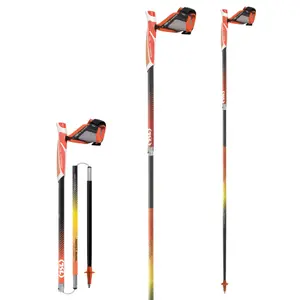
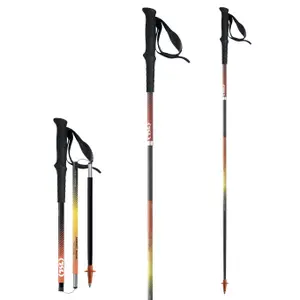
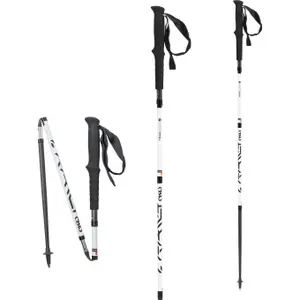
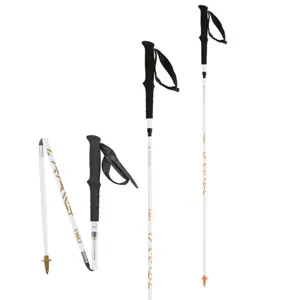
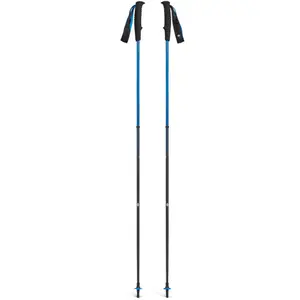
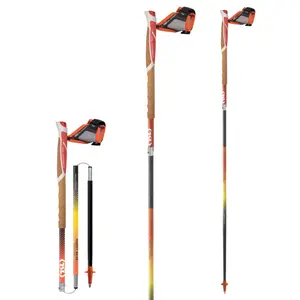
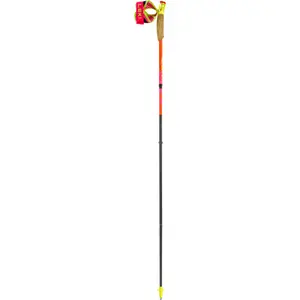

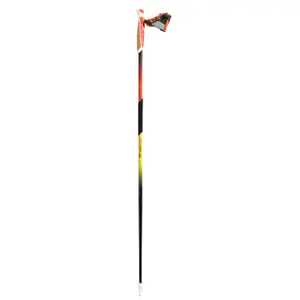
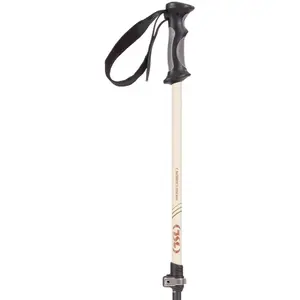
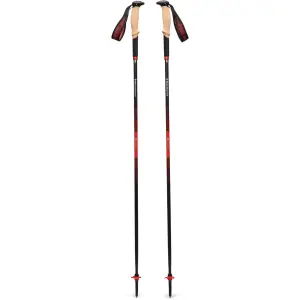
Hiking poles take the strain off your legs when going uphill and keep you safe on the way down, provided you have the right length and format.
Filter by usage, whether walking, trail running or Nordic walking, then by length to find yours. Folding models can be easily stored in a bag.
Which length of pole to choose
With your arms by your side, your elbow should form a right angle when your hand holds the handle. The lengths available range from 100 to 135 cm: choose the one closest to your height, then adjust with the adjustable models.
Hiking, trail or Nordic walking
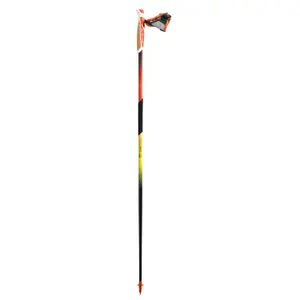
The hiking pole is sturdy and adjustable. The trail pole is lighter, often foldable for storage in the bag when you start running again. Nordic walking uses a longer pole, with a strap for pushing.
Brands of poles to compare
The Brand filter shows Leki, TSL, Black Diamond, Salewa and La Sportiva. Open them one by one to compare weight, locking mechanism and material of the handle.
Things to buy with your poles
A backpack with attachment straps avoids holding the poles in your hand during strenuous effort: look for water bottles, which fit into a pocket to drink without setting down the poles. Glasses protect against the sun at high altitude, and an armband keeps your phone handy.
Good pole deals
Compare special offers, clearance or Black Friday hiking to equip yourself at a reduced price.
Adjusting and using your poles
When going uphill, shorten the poles slightly and plant them in front of you to help push. When going downhill, lengthen them to maintain balance and relieve your knees. On flat terrain, the starting height is suitable. Pass your hand through the strap from underneath, then grip the handle: the strap takes part of the effort.
Materials and weight
Aluminium poles are strong and withstand repeated shocks. Carbon poles are lighter, which makes a difference on a long day, but they are more vulnerable to knocks on rocks. For occasional use, aluminium is a good option. For trail, weight and folding capability are more significant in the choice.
Tips, baskets and wear parts
Tungsten tips grip on rock and dirt, rubber tips protect paved paths. Baskets prevent sinking into snow or mud. These parts wear out: check them regularly and replace them before they slip.
Nordic walking and classic hiking
Nordic walking requires specific poles, with a strap that acts as a glove and a tip suitable for tarmac. In classic hiking, the focus is mainly on sturdiness and height adjustment. Both activities are also distinguished by technique: in Nordic walking, you push actively, while in hiking, you lean on them.
Frequently asked questions
Is a foldable pole less sturdy?
It's primarily more compact. For trail, it's the most practical format to store.
Do you need one or two poles?
Two, to distribute the effort. One is more suitable for a casual stroll.
Where can you find cheap hiking poles?
Check the equipment clearance and filter by useful length.
How to adjust height when going downhill?
Lengthen a few centimetres when going downhill and shorten when going uphill.
What’s the difference between trail and Nordic?
The trail pole folds and weighs little. The Nordic one is longer. Use the usage filter on this page.